
Tinnitus is a term used for a ringing, hissing, buzzing, clicking or roaring sound in one or both ears. It can be caused by various factors, including ageing and prolonged exposure to loud noises.
Tinnitus is quite common: about 30% of people in the UK will experience it at some point, while 13% will have persistent tinnitus.(1) There are lots of ways that you can manage tinnitus. Here, we’ll take you through some of the ways that hearing aids can help.
Common side effects of tinnitus
Tinnitus can affect quality of life in many ways, including:
Sleep problems
Sleep is essential for restoring energy, but people who have tinnitus may well have difficulty sleeping, due to the ringing or humming sound.
Decrease in concentration
If you continuously hear tinnitus, it can be tough to focus. As a result, tinnitus can disturb work performance and make activities such as reading and studying more difficult. If you find that tinnitus is affecting your abilities to do everyday activities, like reading or watching TV, then it’s best to seek advice from an audiologist. They’ll advise you on what steps you can take.
Depression and tinnitus
As well as concentration difficulties, tinnitus can also affect your mood. Irritability, anxiety and sometimes depression can all be common consequences of living with tinnitus.2

How do hearing aids help tinnitus?
Sound therapy and auditory stimulation
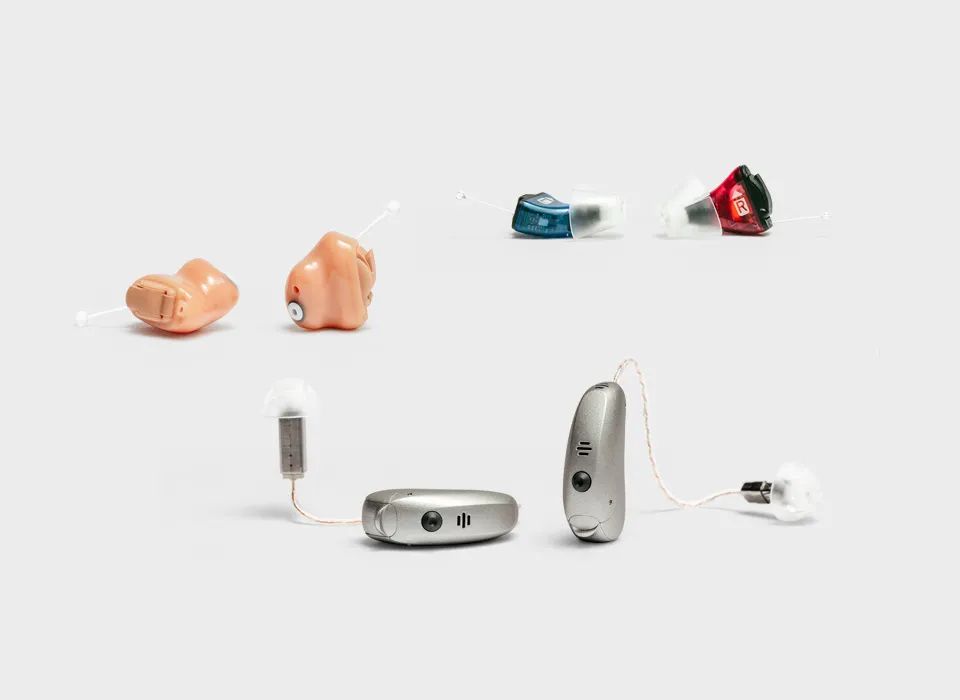
Hearing aids offer sound therapy and auditory stimulation, producing a series of electric signals in the ear and nervous system which can be used as a potential treatment for tinnitus. Sound therapy can also be used to mask troubling sounds from tinnitus, for instance with white noise. Auditory stimulation uses a variety of sounds at different frequencies to provide temporary tinnitus relief.
Communication
The best hearing aids for tinnitus help by improving communication, as tinnitus can cause hearing changes, making it tricky for people to converse properly.
As well as hearing aids, there are several other treatments for tinnitus, which can help to reframe the way your brain reacts to tinnitus.
Managing tinnitus with hearing aids
Hearing aids are a great option for those with tinnitus and a change in hearing. Not only do hearing aids amplify the sounds to help boost hearing, but the amplified sounds also help distract from the tinnitus, making it less noticeable. Most hearing aids now have sound programs that can distract the brain for those with more severe forms of tinnitus.
By making tinnitus less noticeable, hearing aids can improve sleep quality and concentration. They can also amplify voices during a conversation, and sounds from the TV and radio. All this helps to improve overall well-being and make everyday tasks easier.
Other ways to manage tinnitus
There are a few other ways that tinnitus can be treated, and which option you should go for will depend on a few factors. Here are some of the options:
Keeping the volume down
Staying aware of the sounds around you and acting accordingly can be a useful way of managing tinnitus. For instance, using earplugs in situations where you’re exposed to loud sounds can help reduce the impact of them. Making sure that the music in your headphones isn’t too loud can help too.
Treat the underlying cause
Certain types of tinnitus can be reversed by treating the underlying cause. If the reason for tinnitus is an ototoxic (toxic to the ear) drug, it’s important to seek advice from your GP to find out if this is having an impact.
If the cause is earwax, the earwax can be removed by a healthcare professional. If your tinnitus occurs because of Ménière’s disease, then your doctor will prescribe some medication to treat it.
Behavioural therapies
Behavioural therapies may improve the quality of life for those with chronic tinnitus. Tinnitus retraining therapy (TRT) changes the way your subconscious mind processes tinnitus, by teaching the brain to ignore tinnitus sounds unless you purposely focus on them. Experts at a tinnitus centre carry out the TRT, and it often requires a long-term commitment.
Other behavioural therapies include biofeedback and cognitive behavioural therapy (CBT). Biofeedback and CBT change the way you think about and react to tinnitus to help you manage it.
What to do next
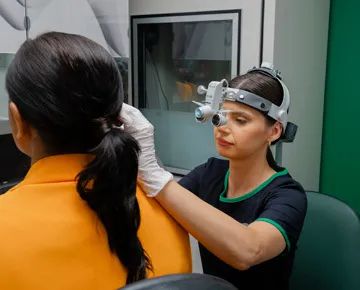
If you have symptoms of tinnitus and hearing loss, it’s important to seek advice from an audiologist. We provide free hearing tests to help you understand more about your hearing and what steps to take if you do have tinnitus or have noticed changes to your hearing. Our expert team can advise you on the best hearing aid options for you, and help you understand the condition further.
If you’re interested in learning more about hearing loss, our range of Specsavers hearing aids and how we can help, head over to our dedicated hearing aids resource.

References
1. All about tinnitus. (5 July 2019). https://www.tinnitus.org.uk/all-about-tinnitus
2. Pascal JT and Yueh B. JAMA. 2012;307(11):1185–94;