
Earwax Removal at Specsavers

€65 (€30 if no wax is found)*

Approximately 30 minutes

Ear health check
Need your earwax removed?
The safest and easiest way to get rid of excess or stubborn earwax is to see a professional. Specsavers stores offer microsuction earwax removal services by our trained and accredited hearing experts.
How much is earwax removal?
For just €65, you receive a professional, safe earwax removal service for one or both ears. If no wax is found, we offer a comprehensive ear health check for only €30, ensuring you leave with peace of mind.
What to do before you come in
To ensure a comfortable and effective procedure, use medicated olive oil drops daily in the affected ear for five days before your appointment. Please call us to discuss your suitability if any of the following apply to you:
Dry, tickly, or irritable throat
Poor head and neck control
Diabetes
Currently taking blood thinning medication
High or low blood pressure
If you’re not sure you have wax in your ears, give your store a call for a triage appointment first.
Concerned about your hearing?
It's worth having your hearing checked if you notice a change in your hearing, no matter your age. More often than not, changes to your hearing happen gradually, so it's not always easy to notice if you're not hearing as well as you used to.
Should I remove earwax?
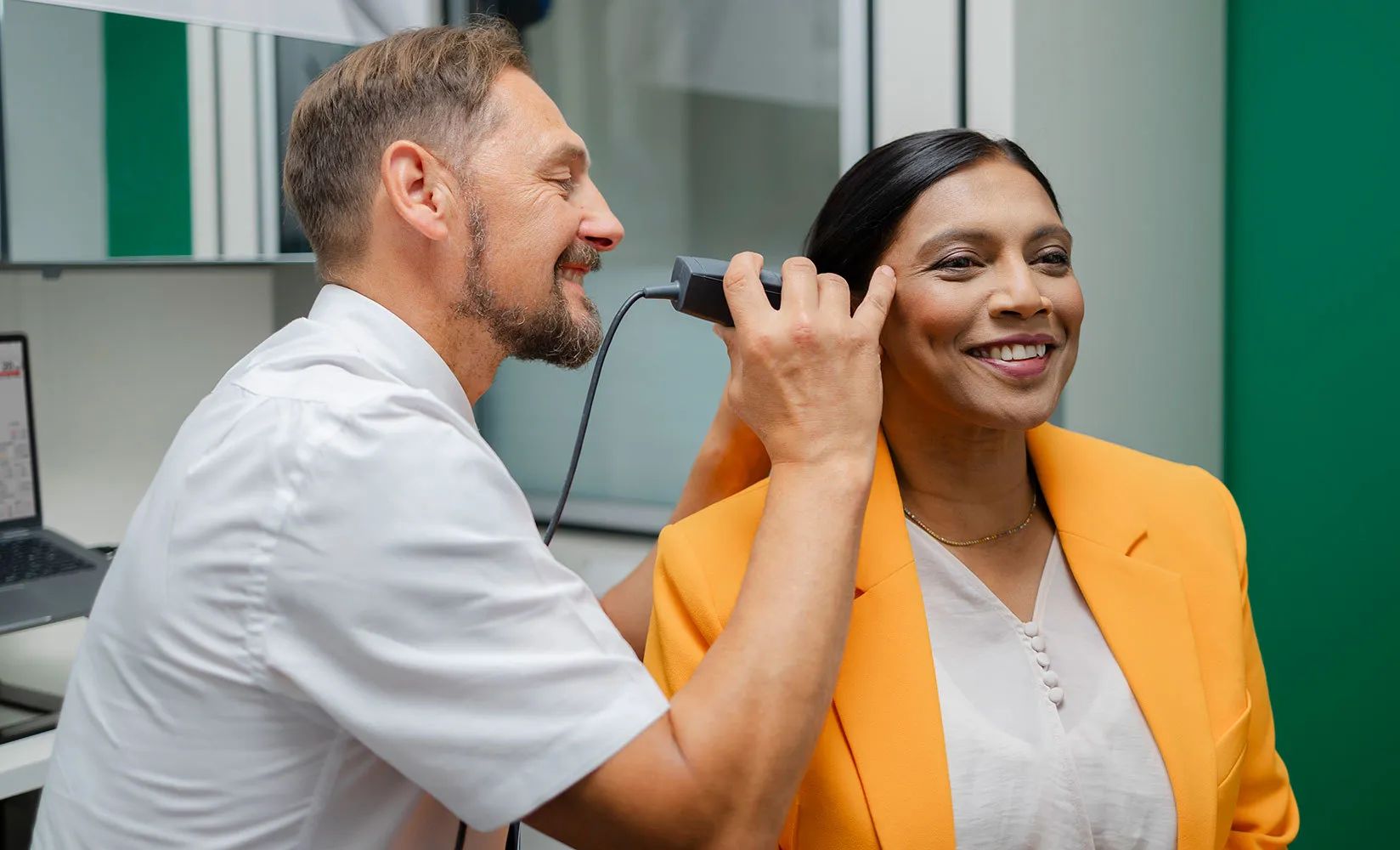
Your body naturally cleans your ears for you, so no routine maintenance is required. However, if your body produces too much earwax, it might impact your hearing. If this happens, it’s important to get it checked out right away to prevent further issues to your ear health.
How often should I remove earwax?
There isn’t a set recommended frequency for earwax removal, as it depends on each individual case. Some people don’t require earwax removal very often, whereas others produce vast amounts of earwax at a faster rate. If you’re concerned about the amount of earwax you are producing, or would like to find out more about how often you should clean out your ears, get in touch or visit our dedicated resource here.
What happens if earwax is not removed?
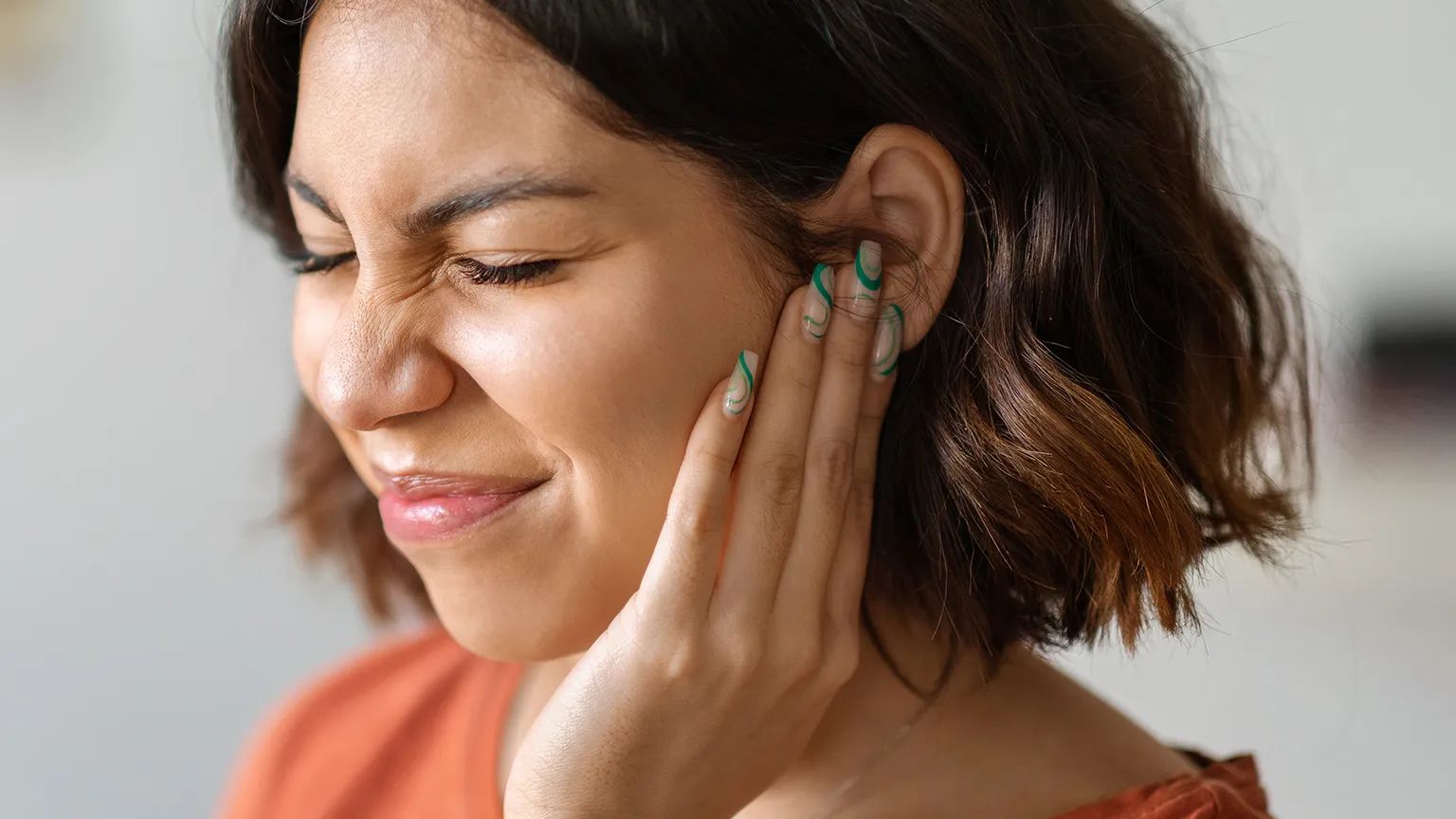
If excess ear wax is not removed, it can lead to a build-up of impacted earwax. If you are experiencing any of the symptoms of impacted earwax, including ear pain, a ‘full ear’ or a cough, book an appointment with your local store as soon as possible.
Different methods for earwax removal
What is microsuction earwax removal?
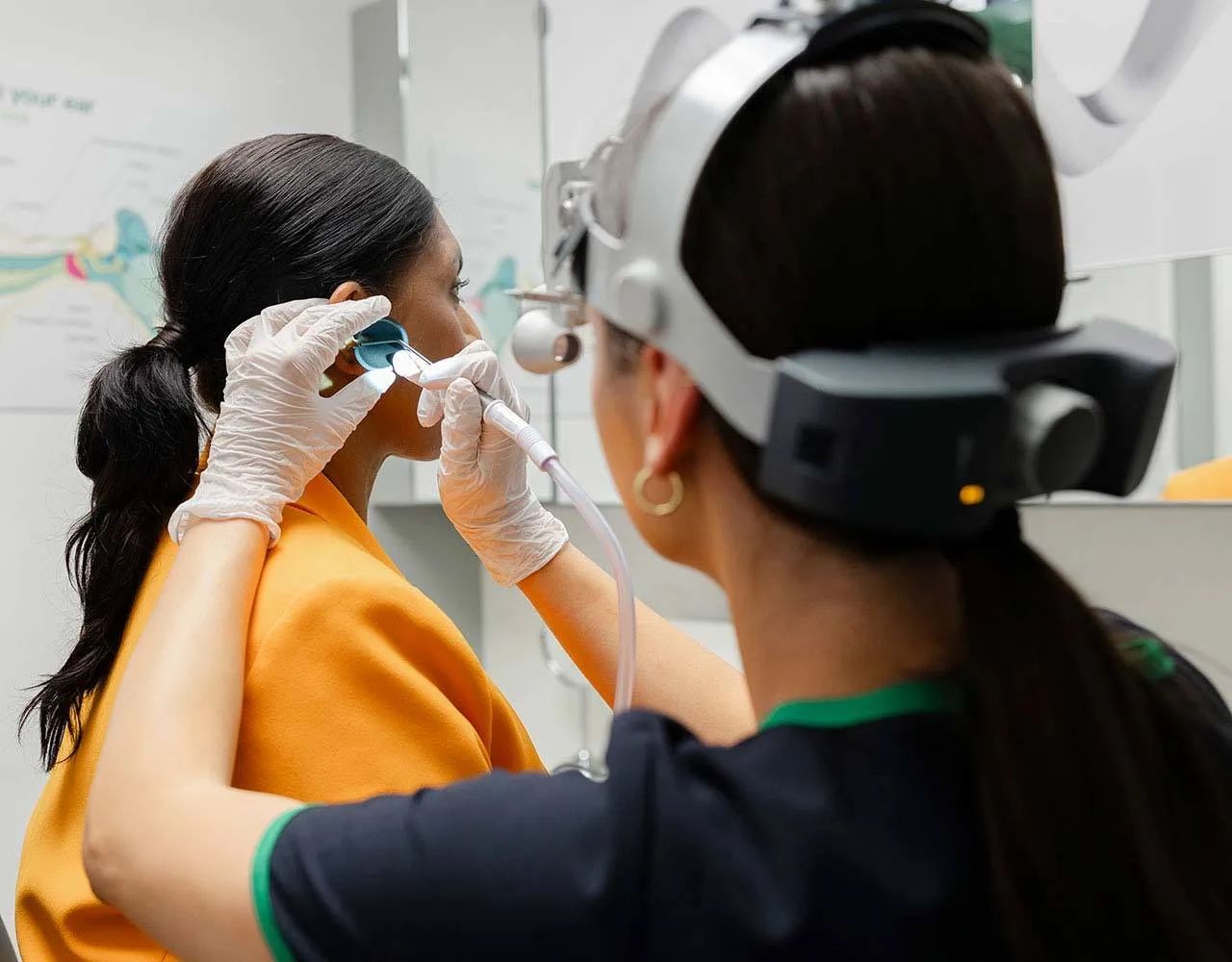
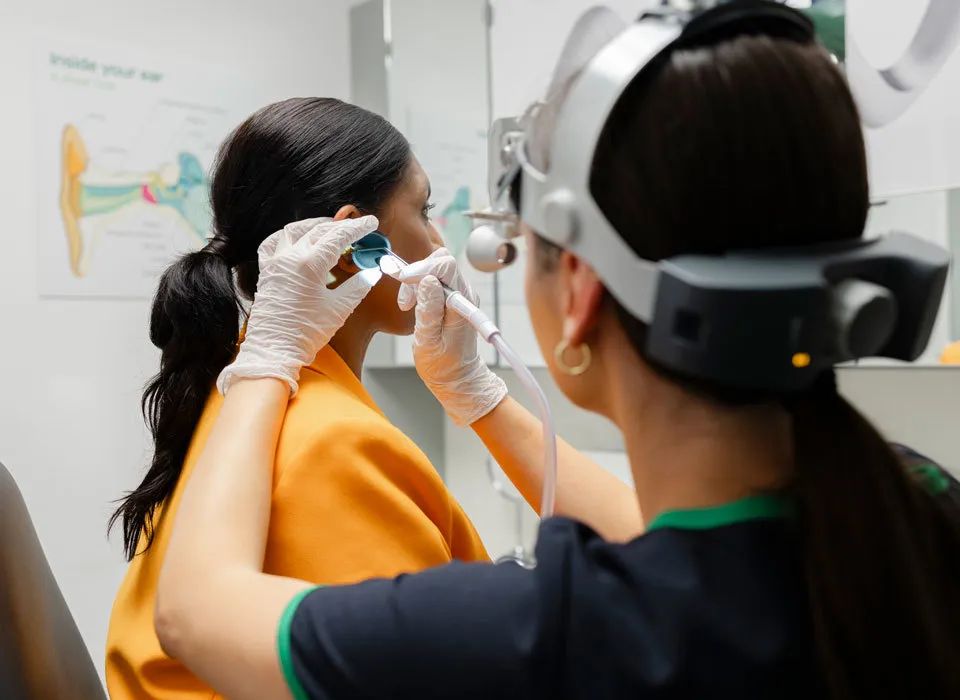
Microsuction earwax removal uses a vacuum to gently remove any excess wax from your ears. It’s one of the most effective services for cleaning your ears and is carried out by one of our accredited audiology professionals at Specsavers.
Find out more about our microsuction earwax removal here
How is ear syringing different?
Ear syringing is a technique of removing earwax that involves pushing water through the ear canal to flush out the wax. Although it can be successful, it can have side effects and possible complications, especially if done incorrectly, causing ear infections or impacted earwax. Ear syringing is not a service that is provided by Specsavers.
Read more about our ear-cleaning advice here.
Earwax removal at home
Have you ever thought about cleaning your ears at home? We’ve answered some of your questions on how to best deal with earwax build-up at home and what to avoid.
For advice on using ear cleaning drops, consult your local pharmacist and for more information on earwax, visit our hub.
Find out more about how to remove earwax at home here
How does microsuction compare to other methods?
Microsuction is the gold standard for earwax removal. Here’s how it stacks up:
| Method | Cost | Effectiveness | Safety Level | Time Required |
|---|---|---|---|---|
| Microsuction | €65 | High | High | ~ 30 minutes |
| Ear Syringing | Variable | Moderate | Moderate | ~ 20 minutes |
| At home remedies | Low | Low | Low | Variable |
What to expect at your wax removal appointment
Our specially trained clinicians will use the safest and best method of wax removal for you. Your appointment will take approximately 30 minutes and include:
- 01
First our clinician will ask you a few questions
This will help them to get a better understanding of the health of your ears.
- 02
Our clinician will examine your ear canals and ear drums
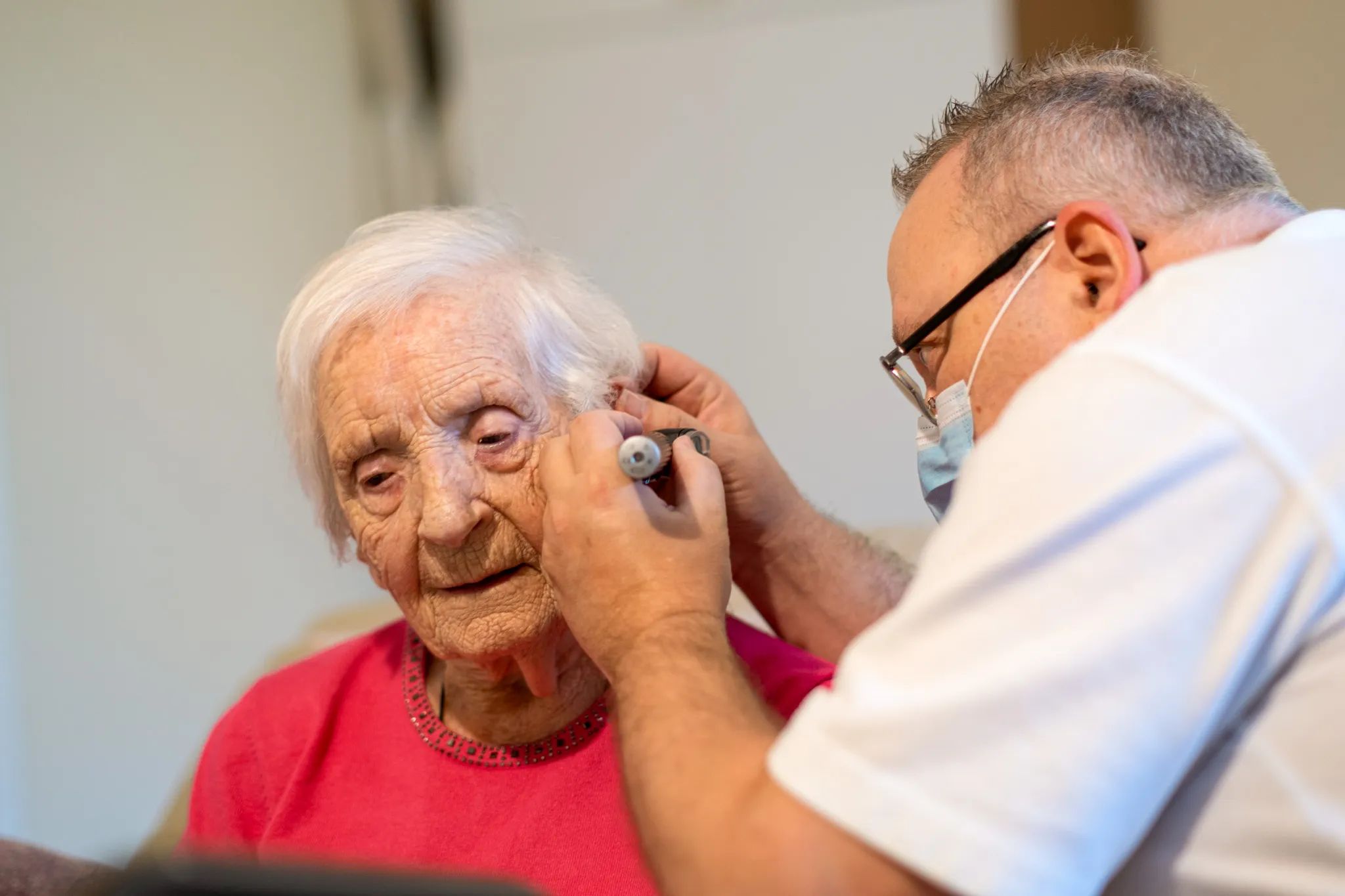
They will do this by using an otoscope (magnifier with a light).
They will record this information to help keep track of any changes in your ear over time.
- 03
We’ll then talk you through the procedure
We’ll show you the equipment that will be used and explain how it works.
You’ll need to sign a consent form before we remove any wax from your ears.
- 04
Wax removal
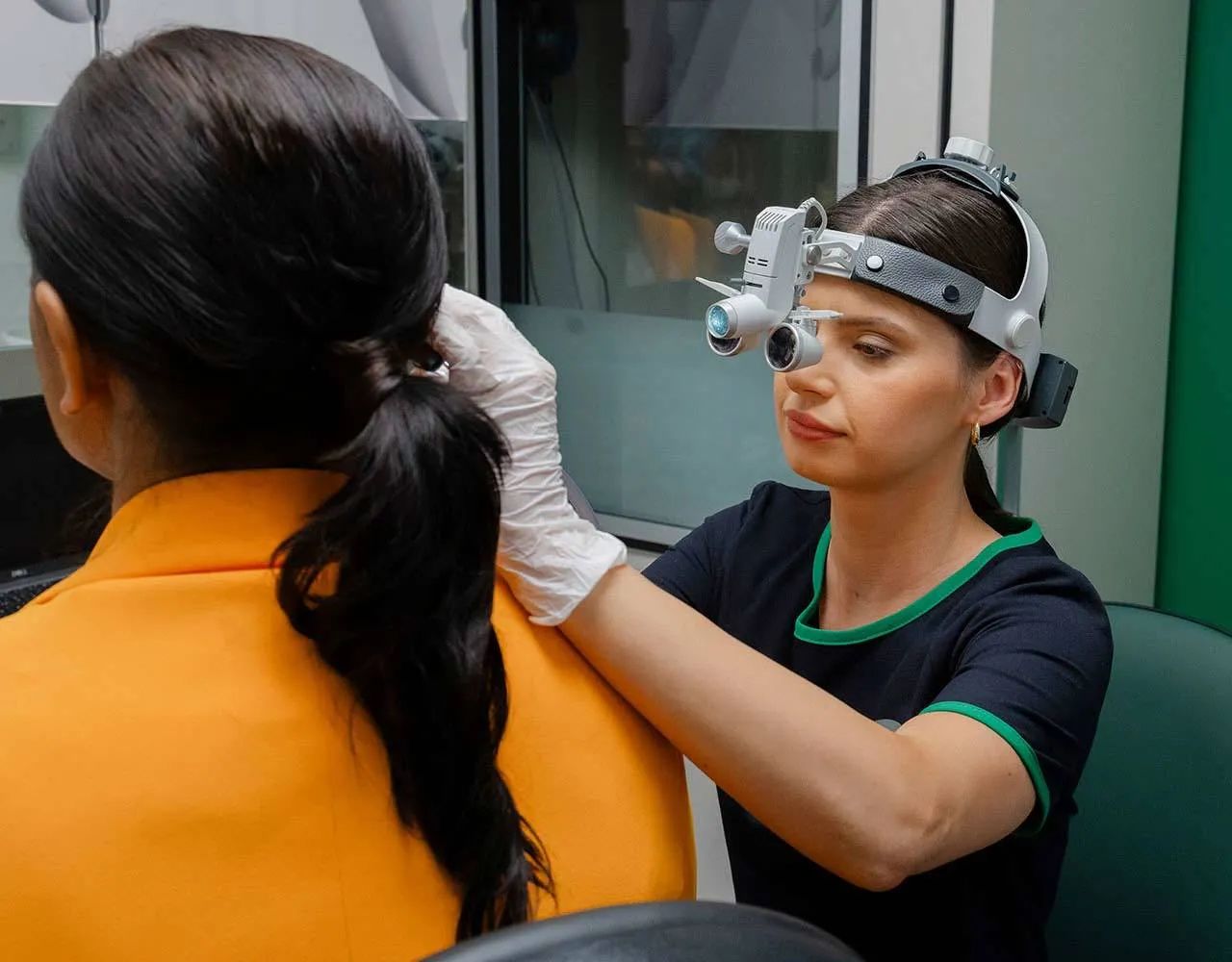
Once you are happy to go ahead, our clinician will use a magnifier and suction tube to gently remove any wax that’s in your ear.
- 05
After the procedure
After our clinician has performed the procedure, they will then check the health of your ears and record this information.
- 06
What if no wax is removed?
If we are unsuccessful in removing any wax, we’ll advise you on your next steps.
Earwax removal FAQS
Earwax removal should always be carried out by a healthcare professional. Avoid using things such as cotton swabs — these can be dangerous when used to clean your ears. Book an appointment today to ensure a safe way to remove earwax
A buildup of earwax can be caused by numerous factors, including narrow or damaged ear canals, skin conditions around the ear and an increased amount of hair in the ear.
Earwax buildup can cause blocked ears, earache, fullness in the ear, hearing loss, tinnitus or dizziness. If you are experiencing any of the symptoms above, it’s important to book an appointment so a specialist can advise on next steps.
In the vast majority of cases, ear syringing is not required before a hearing test.
A small amount of wax in the ears is perfectly normal and healthy and has no effect on a hearing test or check. That said, if you are aware that you get a considerable build-up of wax in your ears, it might well be worth asking your practice nurse or GP to examine them before going for a hearing test.
Find out more information on our hearing tests and how to book them at your nearest Specsavers here.
There is no evidence to suggest that ear wax affects flying unless the ears are completely occluded (blocked up) so pressure equalisation between the outer and middle ears cannot take place.
No, following the microsuction procedure, a minimum of 24 hours must be left before any other clinical procedures are carried out on the ear, including hearing checks. This is due to the noise generated during the appointment by the equipment, creating a temporary hearing threshold shift.
Preventing Earwax Build-Up
Follow these tips to keep your ears healthy and avoid wax build-up:
Avoid inserting objects like cotton swabs into your ear canal, as they can push wax deeper.
Keep your ears dry after bathing or swimming to prevent infections that can worsen wax issues.
Schedule regular check-ups if you’ve experienced frequent wax build-ups in the past.
Use medicated olive oil drops periodically to soften earwax if you’re prone to build-up.


Remember: Your ears are self-cleaning, so avoid over-cleaning. If in doubt, consult a professional.