'%3e%3cpath%20d='M706.453%20375.999C860.234%20375.999%20984.899%20291.829%20984.899%20188C984.899%2084.1703%20860.234%200%20706.453%200C552.671%200%20428.006%2084.1703%20428.006%20188C428.006%20291.829%20552.671%20375.999%20706.453%20375.999Z'%20fill='%23009B4F'/%3e%3cpath%20d='M278.447%20375.999C432.229%20375.999%20556.893%20291.829%20556.893%20188C556.893%2084.1703%20432.229%200%20278.447%200C124.665%200%200%2084.1703%200%20188C0%20291.829%20124.665%20375.999%20278.447%20375.999Z'%20fill='%23009B4F'/%3e%3cpath%20d='M141.484%20166.68C125.01%20162.158%20114.996%20158.927%20114.996%20150.529C114.996%20143.422%20122.102%20138.9%20133.085%20138.9C144.068%20138.9%20155.051%20143.099%20164.095%20150.529L164.418%20150.852L165.388%20129.855C156.666%20125.01%20147.944%20121.78%20133.731%20121.78C123.394%20121.78%20114.027%20124.364%20107.243%20129.209C99.8137%20134.378%2095.9374%20142.13%2095.9374%20151.175C95.9374%20168.941%20110.796%20176.694%20123.394%20179.924C140.192%20184.446%20151.821%20188.323%20151.821%20198.659C151.821%20207.381%20144.068%20212.872%20131.47%20212.872C118.872%20212.872%20106.274%20207.381%2096.5834%20198.013L96.2604%20197.69L94.3223%20219.979C104.336%20226.762%20116.934%20230.316%20130.501%20230.316C142.13%20230.316%20152.144%20227.408%20159.25%20221.917C167.003%20216.103%20171.202%20207.704%20171.202%20197.367C171.202%20181.862%20161.511%20171.848%20141.484%20166.68Z'%20fill='white'/%3e%3cpath%20d='M264.557%20188C264.557%20215.78%20246.467%20230.316%20225.471%20230.316C215.457%20230.316%20207.381%20226.762%20201.244%20221.271V253.896H182.186V146.976H201.244V156.02C207.704%20149.883%20216.103%20145.684%20226.763%20145.684C247.436%20145.36%20264.557%20160.22%20264.557%20188ZM245.498%20188C245.498%20172.494%20236.131%20162.158%20222.887%20162.158C214.811%20162.158%20207.058%20165.711%20201.567%20173.787V203.182C207.058%20210.288%20214.488%20213.841%20222.887%20213.841C236.131%20213.841%20245.498%20203.505%20245.498%20188Z'%20fill='white'/%3e%3cpath%20d='M352.095%20194.137H294.274C296.535%20207.058%20305.903%20213.841%20318.824%20213.841C329.807%20213.841%20337.882%20211.257%20346.604%20206.089L347.573%20222.886C339.82%20227.085%20330.13%20230.316%20317.532%20230.316C294.274%20230.316%20274.893%20215.78%20274.893%20188.323C274.893%20162.804%20294.274%20145.683%20317.209%20145.683C341.112%20145.683%20353.71%20160.22%20353.71%20181.216C353.71%20185.415%20353.064%20189.615%20352.095%20194.137ZM335.621%20178.632C335.621%20168.618%20329.161%20160.866%20317.532%20160.866C306.549%20160.866%20296.858%20168.295%20294.597%20180.893H335.298C335.621%20180.247%20335.621%20179.601%20335.621%20178.632Z'%20fill='white'/%3e%3cpath%20d='M443.189%20221.917L445.128%20203.505C452.88%20209.965%20463.54%20213.841%20474.846%20213.841C482.921%20213.841%20488.413%20210.611%20488.413%20204.797C488.413%20189.615%20444.482%20197.367%20444.482%20169.91C444.482%20153.436%20458.695%20145.36%20475.492%20145.36C487.444%20145.36%20496.488%20148.268%20503.272%20152.467L502.303%20169.587C494.227%20164.096%20484.213%20161.189%20475.492%20161.189C468.708%20161.189%20463.217%20163.773%20463.217%20168.941C463.217%20181.862%20507.471%20175.402%20507.471%20203.828C507.471%20221.271%20492.289%20229.993%20474.523%20229.993C461.602%20230.316%20450.942%20227.085%20443.189%20221.917Z'%20fill='white'/%3e%3cpath%20d='M590.488%20177.986V228.701H571.429V220.302C564.969%20226.439%20556.57%20229.993%20546.88%20229.993C528.467%20229.993%20517.484%20219.01%20517.484%20203.505C517.484%20187.03%20530.405%20177.017%20549.464%20177.017C556.57%20177.017%20563.677%20178.309%20571.752%20180.57V177.986C571.752%20165.388%20562.385%20159.897%20550.756%20159.897C542.034%20159.897%20532.02%20163.127%20524.914%20168.941L524.268%20152.467C530.405%20148.268%20541.711%20145.037%20554.309%20145.037C574.983%20145.36%20590.488%20155.374%20590.488%20177.986ZM571.429%20206.735V194.46C564.646%20192.199%20558.185%20190.907%20551.402%20190.907C541.711%20190.907%20535.574%20196.075%20535.574%20203.505C535.574%20210.934%20542.034%20215.78%20550.433%20215.78C558.508%20215.78%20564.969%20212.872%20571.429%20206.735Z'%20fill='white'/%3e%3cpath%20d='M592.104%20146.976H612.777L636.358%20198.659L659.616%20146.976H680.289L641.526%20228.701H630.866L592.104%20146.976Z'%20fill='white'/%3e%3cpath%20d='M754.907%20194.137H697.409C699.67%20207.058%20709.038%20213.841%20721.959%20213.841C732.941%20213.841%20741.017%20211.257%20749.739%20206.089L750.708%20222.886C742.955%20227.085%20733.264%20230.316%20720.667%20230.316C697.409%20230.316%20678.027%20215.78%20678.027%20188.323C678.027%20162.804%20697.409%20145.683%20720.343%20145.683C744.247%20145.683%20756.845%20160.22%20756.845%20181.216C756.522%20185.415%20756.199%20189.615%20754.907%20194.137ZM738.756%20178.632C738.756%20168.618%20732.295%20160.866%20720.667%20160.866C709.684%20160.866%20699.993%20168.295%20697.732%20180.893H738.433C738.433%20180.247%20738.756%20179.601%20738.756%20178.632Z'%20fill='white'/%3e%3cpath%20d='M826.618%20148.914L824.034%20166.357C819.511%20163.773%20814.989%20163.127%20810.467%20163.127C802.068%20163.127%20794.315%20167.326%20788.824%20176.371V228.701H769.766V146.976H788.824V157.958C794.315%20150.529%20802.068%20145.36%20812.728%20145.36C817.896%20145.36%20822.418%20146.653%20826.618%20148.914Z'%20fill='white'/%3e%3cpath%20d='M832.109%20221.917L834.048%20203.505C841.8%20209.965%20852.46%20213.841%20863.766%20213.841C871.841%20213.841%20877.333%20210.611%20877.333%20204.797C877.333%20189.615%20833.401%20197.367%20833.401%20169.91C833.401%20153.436%20847.615%20145.36%20864.412%20145.36C876.364%20145.36%20885.408%20148.268%20892.192%20152.467L891.223%20169.587C883.147%20164.096%20873.133%20161.189%20864.412%20161.189C857.628%20161.189%20852.137%20163.773%20852.137%20168.941C852.137%20181.862%20896.391%20175.402%20896.391%20203.828C896.391%20221.271%20881.209%20229.993%20863.443%20229.993C850.522%20230.316%20839.862%20227.085%20832.109%20221.917Z'%20fill='white'/%3e%3cpath%20d='M429.298%20206.412C422.838%20211.257%20416.054%20213.841%20408.302%20213.841C395.058%20213.841%20383.429%20204.474%20383.429%20188C383.429%20171.525%20395.058%20162.158%20408.302%20162.158C416.054%20162.158%20422.838%20164.742%20429.298%20169.264C430.268%20163.45%20431.237%20157.958%20432.852%20152.467C426.068%20148.591%20417.67%20145.683%20406.041%20145.683C382.783%20145.683%20363.725%20161.512%20363.725%20188C363.725%20214.487%20382.783%20230.316%20406.041%20230.316C417.67%20230.316%20426.068%20227.085%20432.852%20222.886C431.237%20217.395%20429.944%20211.903%20429.298%20206.412Z'%20fill='white'/%3e%3c/g%3e%3cdefs%3e%3cclipPath%20id='clip0_1478_9029'%3e%3crect%20width='984.9'%20height='375.999'%20fill='white'/%3e%3c/clipPath%3e%3c/defs%3e%3c/svg%3e)
What are Bloodshot Eyes?
A bloodshot eye is when the tiny red veins in the white part of your eye become much more visible. Normally, the whites of your eyes (called the sclera) look mostly white, though you might see some faint pink lines. But if the blood vessels expand or burst, they stand out more.
What are the symptoms of Bloodshot Eyes?
A red, bloodshot eye normally occurs when the blood vessels on the surface of the eye (the conjunctiva) expand. If the redness occurs in small, localised areas or spots, this may be due to an injury. If the redness is spread across a larger area of the eye, this might be caused by infection, allergy, or simply tiredness.
While redness is the most obvious sign that your eye is bloodshot, it may not be the only symptom that you have. Depending on the cause of your condition, you may also experience other symptoms. Let’s look at some of the most common ones:
Redness: The white of one or both eyes turns red or pink, either in a certain spot or all over. You may also notice visible red veins in your eyes.
Eye pain: A painful, bloodshot eye can range from minor soreness to severe discomfort.
Itchy Eye: Feeling like you need to scratch your eye or eyelid to ease discomfort.
Puffy Eye: Your eyelid may feel puffy or tight, making it hard to open your eye and impacting your vision.
Grittiness: Feeling like there’s something in your eye, even if you can’t visibly see anything in it.
Watery eyes: Where your eyes produce excess tears, commonly caused by dryness, irritation, or blocked tear ducts.
Photophobia: Your eyes might feel more sensitive to bright light than usual.
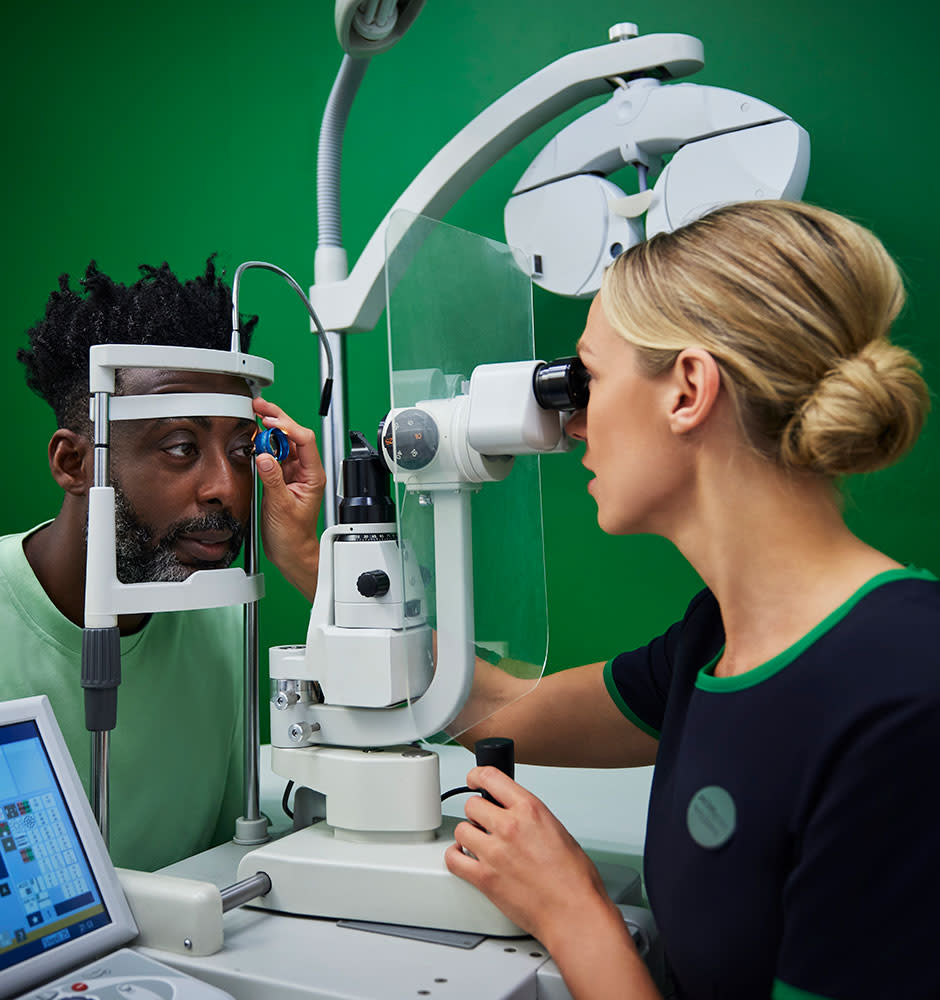
Do these symptoms sound familiar?
If you have experienced any of the symptoms mentioned above it's worth booking an appointment with one of our optometrists.
What causes Bloodshot Eyes?
Bloodshot eyes can have several causes. Here are three common types.
Minor:
Usually nothing to worry about. A bit of rest, some home care, or a quick chat with your optometrist should sort it.
Needs attention soon:
Not an emergency, but you should try to see an optometrist within 24 hours.
Emergency:
Get help straight away. Call 112 or 999 or go to your local ED. If it’s not urgent but still worrying, visit or call your GP for advice.
Some causes of red eye don’t need medical treatment and tend to clear up on their own in a few days. Often, simple changes like using eye drops, taking breaks from screens or avoiding certain triggers can help ease the problem.
Common causes include too much screen time (which can lead to digital eye strain), wearing contact lenses for too long, or mild allergies like hay fever. You might also get red eyes from chlorine in swimming pools, smoke, perfume, or air pollution.
Alcohol and drug use can make the blood vessels in your eyes expand, making them appear red. Another cause is a subconjunctival haemorrhage – a burst blood vessel in the eye. It can look dramatic, but it doesn’t usually hurt and clears up on its own within a couple of weeks.
The following issues will normally need to be treated ‑ usually by visiting an optometrist or your GP. They're not emergencies, but you should get them treated as soon as possible. They don't always go away on their own, and could gradually get worse if you don't get them seen to.
In some cases, a bloodshot eye can be a sign of a serious problem that needs emergency care. If you have any of the symptoms below, call 112 or 999 or go to your nearest ED. This includes a red eye that’s very painful, has come on suddenly with blurred vision or light sensitivity, or is getting worse quickly.
You should also seek help if you see halos, have a headache or feel sick – this could be acute angle‑closure glaucoma, which is a medical emergency. A red eye after trauma (like a hit to the eye or something piercing it) also needs urgent attention.
How are Bloodshot Eyes treated?
Having a red eye is a symptom of many different kinds of conditions. Each condition has its own treatment, so it's always best to get an optometrist's opinion when deciding how to treat a bloodshot eye. Your optometrist might recommend some of the following treatments after they've diagnosed the underlying cause.
Mild bloodshot eyes
Red eye can often be treated with home remedies and over‑the‑counter medication.
Eye drops: Over‑the‑counter eye drops can be used to lubricate dry eyes and soothe irritation.
Cold compresses: Gently pressing a cold compress over your eyelids may help to reduce inflammation and redness, particularly if you’re suffering as a result of allergies like hay fever, where the eyes can become itchy.
Allergy medication: If an allergic reaction is causing your red eyes, taking antihistamine medication can help to reduce your discomfort.
Rest and lifestyle changes: Red eyes may go away on their own with rest. If your bloodshot eyes are linked to lifestyle, such as regular drinking, you might want to change your habits.
Screen time: You can reduce digital eye strain by following the 20‑20‑20 rule. Take a break of at least 20 seconds, every 20 minutes, and look 20 feet away.
Non‑urgent bloodshot eye treatment
If your bloodshot eyes are caused by an underlying medical condition, your optometrist will recommend tr
eatment based on the cause. For bacterial or viral infections, antimicrobial eye drops may be used. In some cases, you might be referred for steroid eye drops to help ease pain and reduce inflammation.
Emergency bloodshot eye treatments
If your bloodshot eye is very painful, bleeding, making you feel sick, affecting your vision or giving you a bad headache, you’ll need emergency medical care. Treatment will depend on the cause. You might be given lubricating or antibiotic eye drops or referred for steroid treatment if needed. In more serious cases, like an aneurysm, emergency surgery may be required. After the immediate issue is treated, you may also be referred to a specialist eye clinic for follow‑up care.
Book an eye testCan Bloodshot Eyes be prevented?
Getting a bloodshot eye is unpleasant. While it's normally not serious, it can feel worrying. Here are some simple ideas for avoiding getting bloodshot eyes.
Good hygiene: Most people touch or rub their eyes much more than they realise ‑ so it's always good to wash your hands with soap often, especially when you've been outside or on public transport. Always wash your hands when changing contact lenses.
Drink plenty of water: Getting enough water is as important to our eye health as it is to almost every other part of our bodies. Dehydration can lead to decreased tear production and irritation, so be sure to keep well‑hydrated throughout the day.
Rest: Give your eyes plenty of rest ‑ aim to sleep 7‑9 hours per night. And try and remember to blink ‑ especially when using a screen or driving.
Manage screen time: Try to reduce screen time, or follow the 20‑20‑20 rule.
Wear protection: Use safety glasses or goggles when gardening, doing DIY, or if you work in a job where small objects might fly through the air.
Antihistamines: If your bloodshot eyes are caused by mild allergies, stock up on over‑the‑counter antihistamines.
Eye tests: Having regular eye examinations will help to identify any eye strain issues and other eye conditions that might be irritating your eyes.
Bloodshot Eyes FAQs:
Usually, no. Many of us will experience a bloodshot eye at some stage and for most people, it’s nothing to worry about and won’t require any treatment. However, in some cases, bloodshot eyes can indicate underlying conditions such as conjunctivitis and blepharitis. If you have a bloodshot eye or any other accompanying symptoms like headaches, pain or blurred vision, seek advice from an optician or your GP.
Red bloodshot eyes will often clear up within a few days in mild cases, or within a couple of weeks if a blood vessel has burst. If it’s not improving after a few days, or seems to be getting worse rather than improving, be sure to consult your optometrist or a GP.
Having a bloodshot eye on one side rather than both eyes is very common. It may simply be that only one eye has been irritated or injured, or, in the case of a condition like conjunctivitis, one eye may become infected before later spreading to the other.
For most minor bloodshot eye causes, your eye will simply clear up by itself. You can help your eye recover faster by staying hydrated, getting plenty of rest, reducing screen time and avoiding anything that might irritate your eye. Eye drops and cold compresses may also help soothe the eye, which could help your eye recover faster.
If you've just looked at your face in the morning and noticed you have bloodshot eyes, it can be quite alarming. There are several reasons this might have happened. You might have an eye infection that developed while you were asleep. You may have sneezed or coughed violently, which could have burst a blood vessel in your eye. An object might have got into your eye last night, which has scratched the surface. There are many other possible reasons. The best way to get to the bottom of it is to contact your optometrist.
Yes, there are a number of drops you can take to treat a red eye. For mild cases, over‑the‑counter eye drops can help to lubricate your eye and also flush out any irritants. For more serious cases, optometrists might recommend steroid eye drops or antibacterial eye drops.
Yes, potentially. While some causes of red eye will simply clear up by themselves, a long‑lasting, painful or sore red eye should be seen by your GP or an optometrist.
People sometimes find that their contacts give them red eyes. There are a few reasons this might happen. You may be leaving your contacts in too long or sleeping with them in. If you have reusable contacts, make sure you clean them as described on the packaging. Contact lens red eye might also be caused by the way you are changing the lenses, or not washing your hands thoroughly before putting fingers near your eyes. If you're unsure about using contacts, ask your optometrist.
Written by our experts for peace of mind

Ross Campbell
Related conditions
Not sure if this is what you’re experiencing? Explore some related conditions:
Eye Pain
There are different types of eye pain including sharp, stabbing, throbbing or dull pain ‑ knowing what type can help determine the cause and how to treat it.
Find out moreItchy Eye
Itchy eyes are very common and can be quite uncomfortable. It can often be a symptom of certain eye conditions and allergies.
Find out moreSwollen Eye
Swollen or puffy eyelids can be caused by a number of things. Find out what you can do to relieve your symptoms, as well as when to seek help.
Find out more
Find out more about eye care services
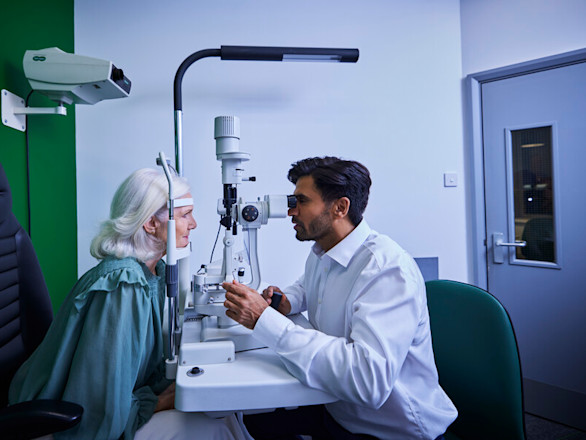
All eye conditions
Read more information about all eye conditions.
View all eye conditions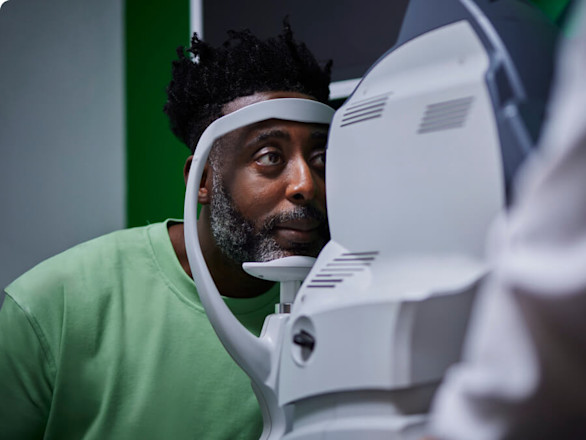
Book an eye test
Book an appointment at your local Specsavers store.
Book an eye test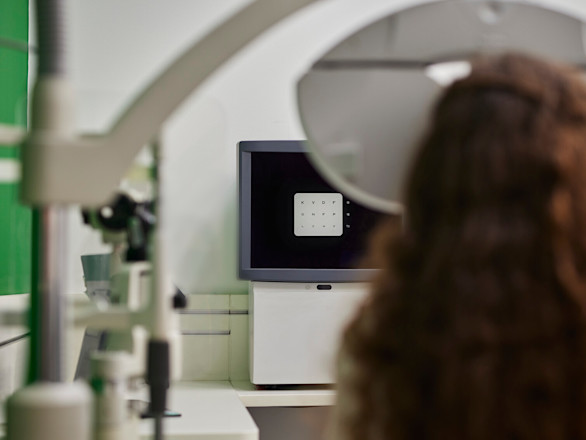
All about eye tests
Everything you need to know about getting your eyes tested.
Find out more
Cleveland Clinic (2023) Red eye. Available online: Available at: https://my.clevelandclinic.org/health/symptoms/17690‑red‑eye
Jain, R. (2019) Red Eye. Available online: Available at: https://www.imperial.nhs.uk/‑/media/website/gps‑and‑referrers/gp‑documents/gp‑professional‑development/ophthalmology‑gp‑study‑afternoon‑26‑june‑2019/red‑eye‑gp‑talk‑r‑jain.pdf?rev=d3235d8900924b2089318907525cd32a&sc_lang=en