
What is macular oedema?
If the macula becomes damaged, your central vision will be affected usually appearing blurry, distorted or darker.
In the case of macular oedema, fluid leaks from damaged blood vessels and interferes with how we see detailed vision and the subtleties of colour.
Symptoms of macular oedema
The symptoms of macular oedema will vary according to how swollen the macula is and whether it is in one or both eyes.
What is the macula?
The macula sits in the centre of your retina, the area at the back of the eye that receives light and sends it to the brain as electrical signals. The macula’s job is to use its millions of light-sensitive cells to provide clear, central vision.
Most people will notice one or more of the following:
Blurred or wobbly vision
Vision loss/difficulty reading
If you are struggling with any of these symptoms, see an optometrist as soon as possible. Severe and untreated macular oedema can result in long lasting and severe damage to your eyesight.
Oedema of the macula is one of the signs of age-related macular degeneration (AMD), a condition where your macula wears down over time.
Causes of macular oedema
Macular oedema is not a disease itself, more a result of other diseases or eye trauma that cause fluid to build up in the macula and make it swell, such as:
- 01
Diabetes
High blood-sugar levels weaken blood vessel causing them to leak into the macula.
- 02
Macular degeneration
a common cause of sight problems as we get older. Age-related macular degeneration comes in two forms – wet and dry.
- 03
Hereditary/genetic conditions
a common example of this would be retinitis pigmentosa
- 04
Inflammatory eye diseases
anything that causes inflammation and swelling in the eye can affect the macula, for example uveitis
- 05
Surgery
macular oedema may occur as the result of cataract, glaucoma or retinal surgery
- 06
Medicines
be sure to alert your optometrist to any medications you are taking as some can have side effects that cause macular oedema
Diagnosing macular oedema
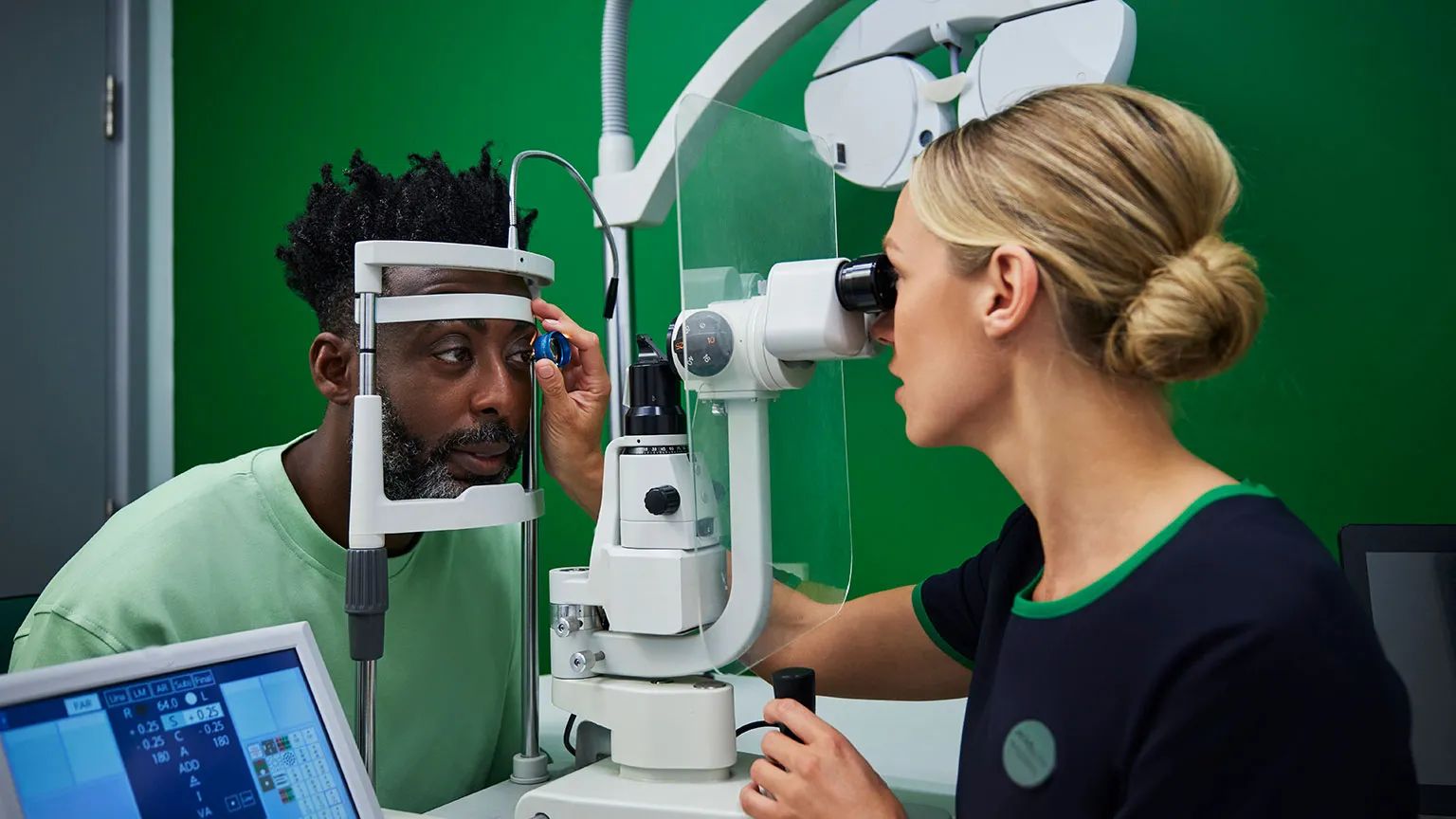
To get a good look at your retina, your optometrist can dilate your pupils and use a magnifying lens to examine the back of your eye more closely. They will also test your vision, check the eye’s pressure using a tonometer and may use optical coherence tomography (OCT) to scan your retina and look for swelling.
Treatment for macular oedema
To effectively treat macular oedema, you need to stop the blood vessels leaking into the macula and encourage the retina to absorb the fluid.
The key is to find out what is causing the blood vessels to leak (diabetes, high blood pressure, post-surgical inflammation) and then address the swelling in the macula.
Treatment for macular oedema can include laser therapy, anti-VEGF injections, steroid medications, eye drops, or in some cases, vitrectomy surgery. Therapies for diabetic macular oedema are similar and include drugs that prevent the growth of abnormal blood vessels such as corticosteroids which can help in the short term but increase the risk of other complications such as glaucoma and cataracts. Alternatively, laser therapy is a popular treatment that can help to slow down the leakage of fluid from the damaged retinal blood vessels. Treatments can be used alone or in combination.
Treatment times will vary depending on the underlying cause of macular oedema but typically take several weeks or months.
Diabetic macular oedema
Symptoms of diabetic macular oedema
If you’re diabetic, you may be at risk of diabetic macular oedema. While the symptoms would be similar to the above, such as blurry and wavy vision or colours appearing faded or washed out, it’s more likely that it could occur in both eyes, rather than just one.
Worsening vision due to diabetic macular oedema can also have a considerable impact on daily life, leading to difficulties reading or at work, participating in leisure activities, and completing household and personal care tasks.
As with other diabetes-related eye conditions, it’s advisable to ensure you have regular eye tests so that your optometrist can keep note of your eye health.
Diagnosing diabetic macular oedema
Diabetic macular oedema doesn’t always have obvious symptoms, so it’s a good idea to ensure you’re having regular eye appointments or pop along to your optometrist if your eye/eyesight feels different.
As with macular oedema that is unrelated to diabetes, OCT is very useful for measuring retinal thickness, so it can be used to assess the amount of swelling (oedema) in the macular. An optometrist can check for macular oedema with a thorough eye exam, during which they will look for abnormalities in the retina and macula. OCT is also used to assess how you are responding to treatment and to see how well the eye is healing.
Written by our experts for peace of mind

Ross Campbell
BSc Hons MCOptom Prof Cert Glauc Prof Cert Med Ret
Ross is an experienced optometrist having graduated in 2007 from Bradford University. He is also ophthalmic director of Specsavers Swaledale with Northallerton & Thirsk, a pre‑registration supervisor, professional advancement consultant, and a WOPEC Lead Assessor. He has previously worked as Director of Optometry Advancement for Specsavers and as a columnist for Optician & ProFile magazine.
FAQs
Macular oedema can resolve itself but, as with any changes to your eyesight, it’s much safer to get a professional to check your eyes thoroughly.
No. Macular oedema can seriously impair your vision but won’t get bad enough to cause full blindness. However, it’s always safer to speak to an optometrist about treatment options and to make sure there’s not another condition causing issues.
No, but the two conditions are intimately linked: diabetic retinopathy is a common cause of diabetic macular oedema, and DMO is the most common cause of vision loss in people who have diabetic retinopathy.
Macular oedema typically develops as retinopathy worsens, but it can occur at any stage of diabetic retinopathy. However, not everyone with diabetic retinopathy will necessarily develop diabetic macular oedema. Experts estimate that around 10% of people with DR also have DMO¹.



- National Eye Institute. Facts About Macular Edema. [Online]. Available at: Available at: https://nei.nih.gov/health/mac... (Accessed: 20 Aug 2019)
Get expert eye advice
If you’ve noticed a change in your vision, or have experienced any symptoms mentioned above, it’s worth booking an appointment with one of our optometrists.